Long Beach MEHKO Permit Just Made It Easier to Start a Food Business From Home
Long Beach MEHKO Permit Just Made It Easier to Start a Food Business From Home
Long Beach is creating new opportunities for residents to turn their cooking skills into legitimate businesses through Microenterprise Home Kitchen Operations (MEHKOs). Unlike a traditional cottage food license, which allows the sale of approved packaged foods like sourdough bread, cookies, and jams, a MEHKO permit allows entrepreneurs to prepare and sell full meals directly from their home kitchens.
While the program is designed to support small food businesses, the bigger story is how homes are becoming increasingly flexible assets. From ADUs and garage conversions to home offices and now home-based restaurants, property owners are finding new ways to generate income from the spaces they already have.
This shift lowers the barrier to entrepreneurship and gives residents a more affordable path to test business ideas before investing in expensive commercial leases or restaurant build-outs. For Long Beach homeowners, renters, and investors, it is another example of how the city's evolving regulations are expanding what is possible on residential property. Understanding these changes can help residents recognize opportunities that may have been hiding in plain sight.
Quick Summary
Long Beach is opening the door for residents to legally sell meals from their home kitchens through MEHKO permits.
This matters because it lowers the barrier to starting a food business without leasing a restaurant space first.
For neighborhoods, this could create more hyperlocal food businesses, side income, and community-driven entrepreneurship.
For homeowners and renters, it’s another sign that property is becoming more than just where people live. It’s becoming where people build income.
MEHKO differs from a Long Beach cottage food license
For years, starting a food business usually meant one thing. A lot of money.
You needed a commercial kitchen, permits, insurance, equipment, rent, signage, and enough confidence to sign a lease before you even knew if people would buy what you were making.
That is a huge leap.
Especially for someone who already knows how to cook, already has customers asking for tamales, lumpia, sourdough, pozole, barbecue, desserts, meal prep, or whatever their thing is, but does not have restaurant money sitting around.
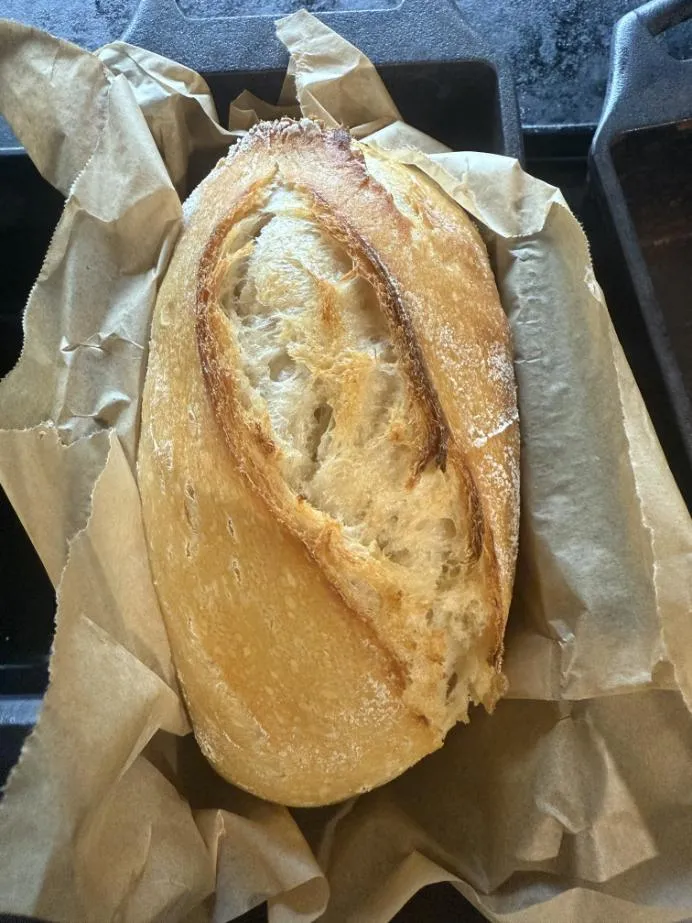
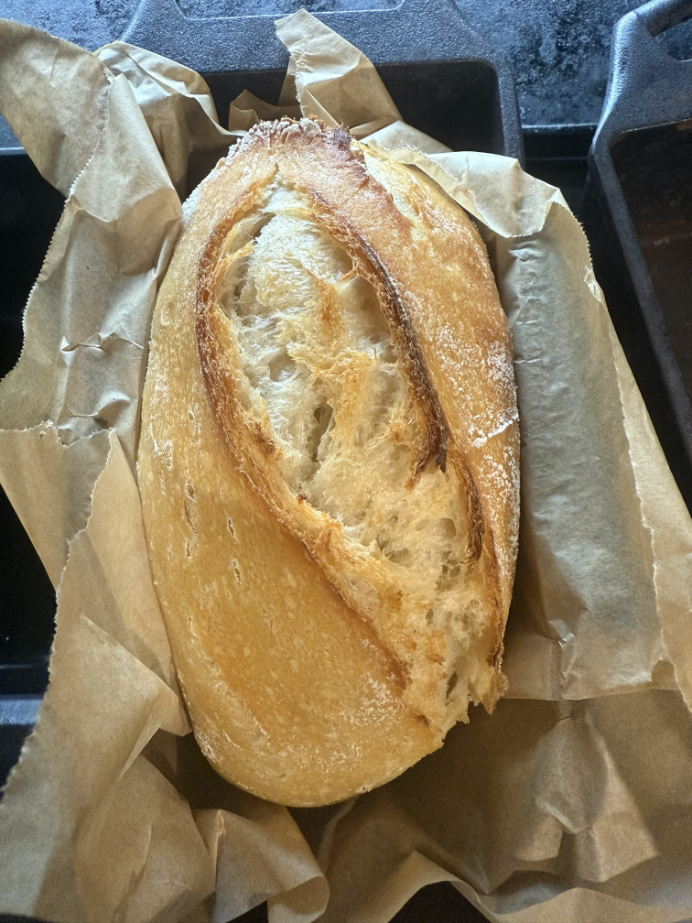
That is why Long Beach’s movement toward Microenterprise Home Kitchen Operations, also known as MEHKOs, is such a big deal. (This is different from a Long Beach cottage food kitchen operation which is how I sell my organic sourdough).
At the simplest level, a MEHKO allows someone to prepare and sell meals from a permitted home kitchen, as long as they follow health, safety, and operating rules.
Think of it like this:
A Cottage Food Operation (CFO) is a home-based food product business.
A MEHKO (Microenterprise Home Kitchen Operation) is a home-based restaurant.
🍪 Cottage Food License
You can make and sell specific approved "low-risk" foods that don't require strict temperature control. Examples include:
Sourdough bread
Cookies
Brownies
Granola
Jams
Candies
The food is generally packaged and labeled for later consumption. California maintains an approved list of foods allowed under cottage food laws.
You can even sell through other businesses with a Class B permit, such as:
Coffee shops
Markets
Restaurants
🍲 MEHKO
A MEHKO allows you to prepare and sell actual meals from your home kitchen, including many foods that would never qualify under cottage food rules:
Tamales
Soups
Pasta dishes
Meat dishes
Hot meals
Perishable foods
Food is prepared and sold directly to customers, more like a tiny neighborhood restaurant. Meals are generally intended for same-day consumption through pickup, delivery, or sometimes dine-in where permitted.
But I think the bigger story is this:
Long Beach is recognizing that entrepreneurship does not always start in a storefront.
Sometimes it starts at a kitchen table.
Sometimes it starts with one neighbor buying dinner from another neighbor.
Sometimes it starts with a mom, a renter, a homeowner, an immigrant family, a retired cook, or someone with a recipe people will not stop asking for.
This matters because business ownership has become incredibly expensive. Restaurant build-outs are not cheap. Commercial leases are not cheap. Labor, insurance, equipment, inspections, and marketing are not cheap.
So when a city creates a legal pathway for people to test a food business from home, it changes the entry point.
Instead of asking someone to risk everything before they prove demand, it allows them to start smaller.
That is important.
And honestly, this connects to real estate more than people might think.
Because one of the biggest shifts happening right now is that homes are becoming more flexible.
A backyard can become an ADU.
A garage can become a rental unit or workspace.
A spare bedroom can become an office.
And now, in some cases, a kitchen can become the starting point for a legal food business.
That does not mean every house should become a business. It does not mean every neighborhood wants more activity. And it definitely does not mean the rules do not matter.
But it does mean the definition of home is changing.
For Long Beach residents, this creates a new kind of opportunity.
For food entrepreneurs, it may be a lower-cost way to enter the market.
For neighborhoods, it may create more local food options and more community connection.
For property owners, it is another reminder that the value of a property is not only about square footage.
It is about possibility. What can happen there? What income can be created there? What flexibility does it offer? What future options exist?
That is the lens I think Long Beach homeowners need to keep developing.
Because the city is changing.
Not always through giant towers.
Not always through luxury developments.
Sometimes the most interesting changes happen quietly.
In backyards.
In garages.
In home kitchens.
In the spaces people already have.
And that is what makes this story so interesting.
Long Beach is not just under construction because buildings are going up.
Long Beach is under construction because the way people live, work, build income, and use their homes is changing.
And if you are paying attention, those changes are giving us clues about where the city is headed next.


