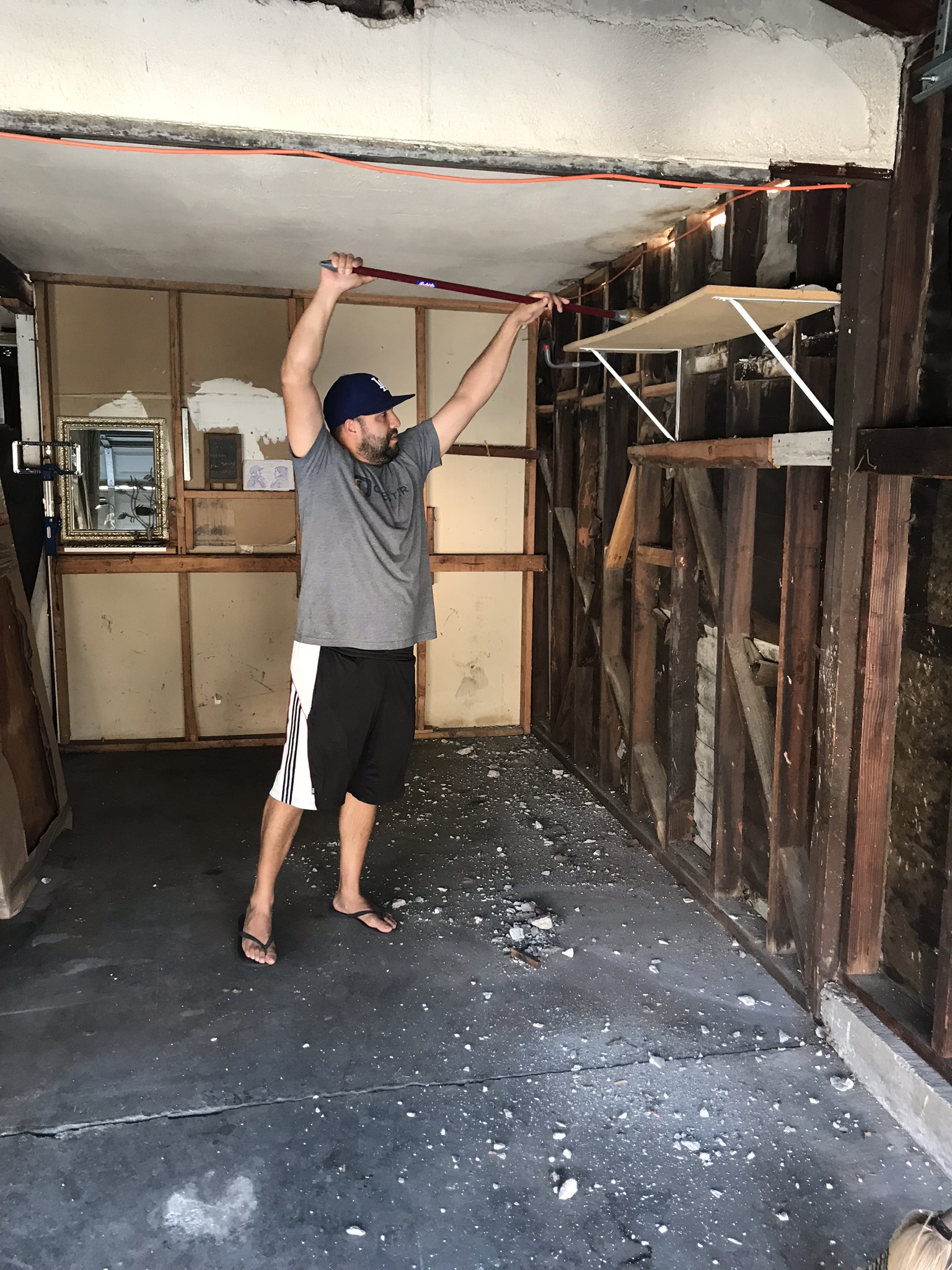
5 ADU Financing Options Most Long Beach Owners Don't Know About
If you're waiting until you 'have the cash,' you'll wait forever. Here's what you actually have access to.
“If you're waiting until you ‘have the cash,’ you’ll wait forever. Here’s what you actually have access to.”
For homeowners in Long Beach, financing is the real gatekeeper to building an ADU. Not design. Not permits. Not even construction. It’s capital.
The good news: most homeowners are sitting on funding options they already qualify for and just don’t realize it.
This breakdown covers five powerful ways to finance an ADU, how each one actually works, and when each strategy makes sense based on your property, equity position, and rental income goals.
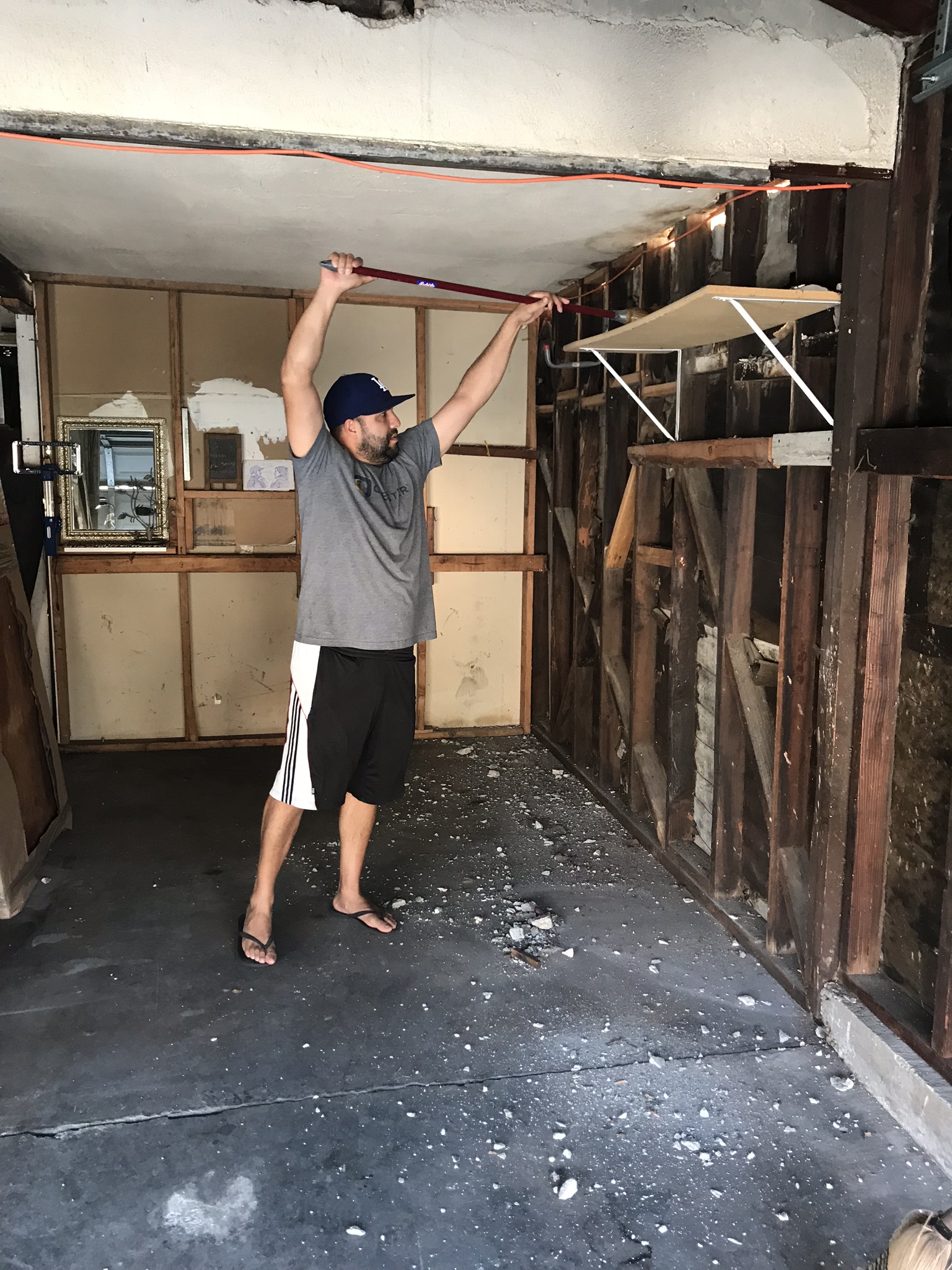
Why ADU Financing Matters More Than Most People Think
An ADU is not just a construction project. It is a wealth engine.
The right financing structure impacts:
Monthly cash flow
Long-term equity growth
Risk exposure
Rental income performance
Total cost to build ADU Long Beach CA
Choosing the wrong financing option can quietly cost you tens of thousands over time.
1. Cash-Out Refinance (The Equity Unlock Strategy)
A cash-out refinance replaces your existing mortgage with a larger one and gives you the difference in cash.
Best for:
Homeowners with strong equity and long-term hold plans.
Pros:
Lower interest rates compared to most loans
Large lump sum available for construction
Predictable fixed payments
Cons:
Resets your mortgage rate
Higher long-term interest exposure if rates are high
Requires strong credit and equity position
Strategic insight:
This is often the most cost-effective way to fund a full ADU build if your mortgage rate is already favorable.
2. HELOC (Home Equity Line of Credit)
A HELOC works like a credit line secured by your home equity. You draw funds as needed during construction.
Best for:
Phased builds or homeowners who want flexibility.
Pros:
Pay interest only on what you use
Flexible draw structure
Ideal for staggered construction costs
Cons:
Variable interest rates
Payments can increase over time
Requires disciplined budget management
Strategic insight:
HELOCs work well for garage conversion Long Beach projects where costs are released in stages.
3. RenoFi Loan (Future Value Financing)
A RenoFi loan lets you borrow based on the future value of your home after the ADU is built, not just current equity.
Best for:
Homeowners with limited equity but strong property upside.
Pros:
Higher borrowing capacity
Based on after-renovation value
Keeps existing mortgage untouched
Cons:
More documentation and underwriting
Not all lenders offer it
Higher qualification standards
Strategic insight:
This is one of the most overlooked tools for ADU financing in California.
4. Construction-to-Permanent Loan (All-in-One Build Financing)
This loan covers construction and then converts into a standard mortgage once the ADU is complete.
Best for:
Full new builds or detached ADUs.
Pros:
One streamlined financing structure
Covers construction phase + long-term mortgage
Structured disbursements aligned with build stages
Cons:
Requires detailed plans and approvals upfront
More paperwork during underwriting
Slightly higher complexity at the start
Strategic insight:
This is ideal when working with an experienced ADU contractor Long Beach CA because lenders want detailed, permit-ready plans.
5. CalHFA ADU Grant Program (When Available)
The California ADU grant program offers partial funding support for eligible homeowners building ADUs for rental use.
Best for:
Moderate-income homeowners or first-time ADU builders.
Pros:
Potential grant funding (not repayment-based)
Reduces upfront cost burden
Encourages rental housing expansion
Cons:
Funding windows open and close
Strict eligibility requirements
Competitive and limited availability
Important note:
Program availability can change. Always verify current status before planning around it.
Decision Moment: Which Financing Option Fits You?
Here is the strategic breakdown:
High equity + stable income → Cash-out refinance
Need flexibility during build → HELOC
Low equity but high property value → RenoFi loan
Ground-up ADU construction → Construction-to-perm loan
Lower income + eligibility support → CalHFA ADU grant
Most homeowners don’t choose wrong because of lack of options. They choose wrong because they don’t match financing to strategy.
Build Your Long Beach ADU Financing Checklist
Property equity evaluated
ADU strategy defined (income vs equity vs resale)
Financing path selected early
Cost to build ADU Long Beach CA estimated
Garage conversion vs new build aligned with budget
ADU rental income California projections reviewed
Lender pre-approval or consultation completed
ADU contractor Long Beach CA engaged for build-ready scope
Final Thoughts: Financing Is Strategy, Not Just Funding
The right financing structure turns an ADU from a financial burden into a long-term income asset.
In Long Beach, where rental demand is strong and property values continue to rise, the homeowners who win are not the ones who wait for cash. They are the ones who structure capital intelligently.
Ready to Run the Numbers?
If you want to know which financing strategy actually fits your property, equity position, and ADU goals, the next step is a clear analysis.
Use the ADU Deal Analyzer + Schedule a Call to map your financing path and build a project that actually pencils out from day one.


